Understanding Mini Split Air Conditioners
In today's climate-conscious world, homeowners are increasingly seeking efficient cooling solutions that help save on energy costs while providing comfort. The mini split of air conditioner stands out as a popular choice among homeowners and builders alike. Mini split systems provide unique advantages over traditional air conditioning systems, making them a worthy consideration for any residential or commercial space.
What is a Mini Split Air Conditioner?
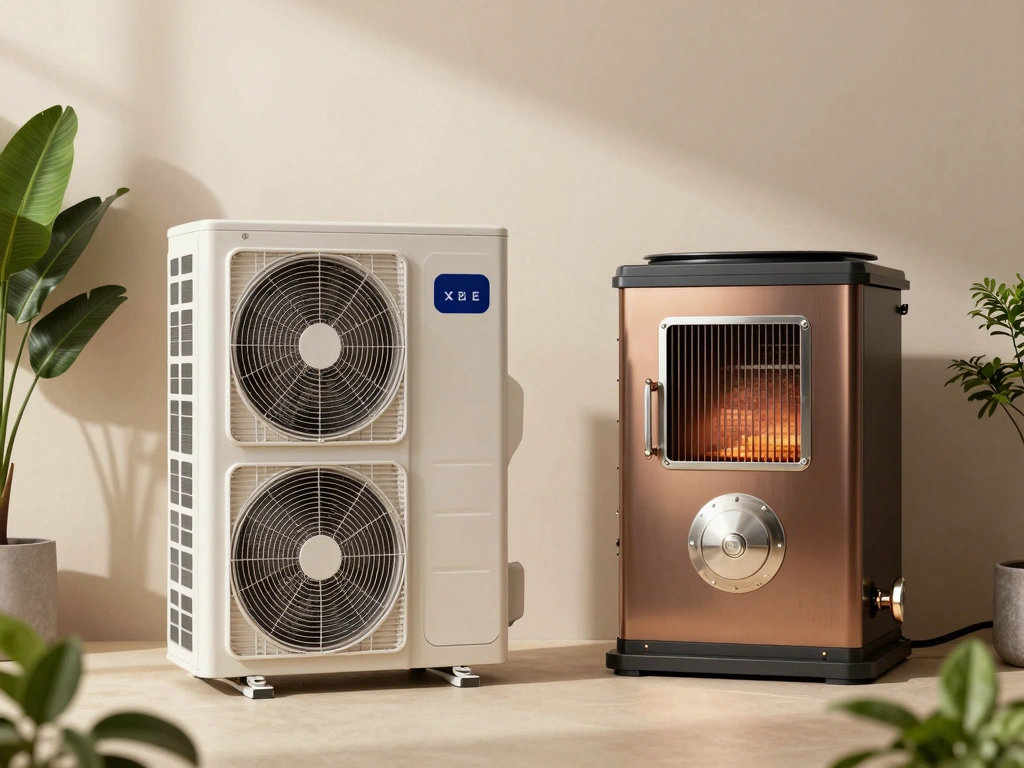
A mini split air conditioner, commonly known as a ductless system, is an HVAC solution that enables the independent control of heating and cooling in individual spaces without the need for ductwork. Comprising an outdoor compressor unit and one or more indoor air handlers, these systems are designed for flexibility and efficiency, making them perfect for diverse applications ranging from small apartments to larger homes.
Key Components of Mini Split Systems
- Indoor Air Handlers: The indoor units distribute conditioned air into the living space and come in various styles, such as wall-mounted, ceiling-mounted, or floor-mounted.
- Outdoor Compressor: This is the heart of the system, responsible for pumping refrigerant to the indoor units, facilitating the heat exchange process necessary for cooling or heating.
- Refrigerant Lines: A pair of insulated lines connects the indoor and outdoor units. One carries refrigerant gas to the indoor unit, while the other returns liquid refrigerant back to the outdoor unit.
- Remote Control or Thermostat: Most mini split systems come equipped with user-friendly remote controls or smart thermostats for easy temperature adjustments and settings management.
Benefits of Using Mini Split Systems
Mini split air conditioners offer several distinct advantages that make them appealing to homeowners:
- Energy Efficiency: These systems typically have higher SEER (Seasonal Energy Efficiency Ratio) ratings than traditional HVAC units, leading to significant energy savings.
- Zoning Capability: Mini splits allow for zoning, meaning different areas of a property can be heated or cooled independently, catering to individual comfort preferences.
- Increased Flexibility: Their ductless design means they can be installed in locations that traditional systems cannot, such as converted attics or basements.
- Lower Installation Costs: Without the need for ductwork, installation is often simpler and less costly than central AC systems.
Installation Considerations for Mini Split Units
Choosing the Right Location for Installation
Selecting the ideal location for both the indoor and outdoor units is crucial for optimizing performance. Indoor units should be positioned high on walls for efficient airflow and minimal obstruction, while outdoor units need adequate space for ventilation and maintenance access.
Professional vs. DIY Installation: What You Need to Know
While some homeowners may consider a DIY approach to save costs, professional installation is recommended to ensure the system operates correctly and efficiently. Proper refrigerant handling, electrical connections, and ensuring the right sizing and placement of units can significantly impact the system’s performance and longevity.
Common Installation Mistakes to Avoid
To maximize the benefits of a mini split system, avoid these common installation pitfalls:
- Poor Location Choice: Avoid placing indoor units in areas with high heat sources or direct sunlight, which can impair their efficiency.
- Incorrect Sizing: Indoor units must be properly sized for the space to avoid short cycling or inadequate cooling/heating.
- Neglecting Maintenance Access: Ensure that outdoor units are placed where they can be easily accessed for maintenance and repairs.
Efficiency and Cost Savings
How Mini Splits Compare with Traditional AC Systems
Mini split systems frequently outperform traditional HVAC units in efficiency metrics. For instance, while a standard central air system might operate with a SEER rating of around 14-16, many newer mini splits achieve ratings of 20 or more. This translates into lower monthly energy bills and a smaller carbon footprint.
Understanding SEER Ratings and Efficiency
SEER ratings indicate the efficiency of air conditioning systems. The higher the rating, the better the energy efficiency. Mini split systems are known for their ability to maintain higher SEER ratings under varying conditions, especially when equipped with inverter technology that adjusts compressor speed based on real-time cooling needs.
Long-term Cost Benefits of Mini Split Systems
While the initial investment in a mini split system may be higher than a traditional unit, the long-term savings can be substantial. Homeowners can see a return on investment through lower energy bills, reduced maintenance costs, and enhanced comfort levels. Additionally, many models qualify for energy efficiency rebates or incentives.
Common Issues and Maintenance Tips
Identifying Common Problems with Mini Splits
Some issues that users might face with mini split systems include poor cooling performance, unusual noises, and refrigerant leaks. Recognizing these problems early by monitoring the system's performance can prevent costly repairs down the line.
Regular Maintenance Routines for Longevity
To ensure optimal performance and longevity, regular maintenance is essential. This includes:
- Cleaning Filters: Indoor unit filters should be cleaned or replaced at least twice a year to ensure proper airflow.
- Checking Refrigerant Levels: Low refrigerant levels can indicate leaks and should be addressed immediately.
- Inspecting the Condenser Unit: Regularly clear debris from the outdoor unit to maintain air circulation.
When to Call a Professional for Repairs
While some maintenance tasks can be performed by homeowners, complex issues such as refrigerant leaks or electrical problems should be left to certified HVAC professionals. Regular annual inspections by technicians can also keep systems running efficiently and help identify potential issues before they escalate.
Future Trends in Mini Split Technology
Innovations to Expect in Mini Split Systems by 2026
The HVAC industry is constantly evolving, with mini split technology leading the charge in energy efficiency and user-friendliness. Expect to see advancements in inverter technology, improved heat pumps capable of functioning effectively in extreme temperatures, and units with enhanced noise reduction features.
The Rise of Smart Mini Splits and Home Automation
With smart home technology on the rise, mini splits are expected to integrate more seamlessly with home automation systems. Features such as remote access via smartphone apps, programmable timers, and integration with voice assistants will provide users with unprecedented control over their heating and cooling systems.
Environmental Impact and Energy Standards Moving Forward
As climate change concerns intensify, mini split systems will continue to adapt to meet stringent energy regulations. The use of eco-friendly refrigerants and enhancements in system efficiency will contribute not only to reduced energy consumption but also to lowered greenhouse gas emissions, making mini splits an environmentally responsible choice.
What is the typical cost of installing a mini split system?
The cost of installing a mini split system can vary widely based on several factors, including the number of indoor units, the complexity of the installation, and local labor rates. On average, homeowners should expect to pay between $3,000 and $6,000 for a complete system installation, with some higher-end models escalating costs significantly.
Are mini-splits good for air conditioning?
Yes, mini-splits are highly effective for air conditioning. They provide targeted cooling, operate quietly, and consume less energy than traditional systems. Moreover, their flexibility in installation and operation makes them an excellent choice for both residential and commercial applications.