Understanding Automated Bagging Solutions
In today's fast-paced manufacturing environment, the demand for efficient packaging processes has never been higher. Automated bagging solutions play a crucial role in streamlining operations across various industries. These systems not only enhance productivity but also ensure accuracy in filling and sealing bags, making them a vital investment for businesses seeking to optimize their packaging lines. As a professional manufacturer, automated bagging solutions from Durzerd demonstrate state-of-the-art technology that caters to diverse packaging needs.
What are Automated Bagging Solutions?
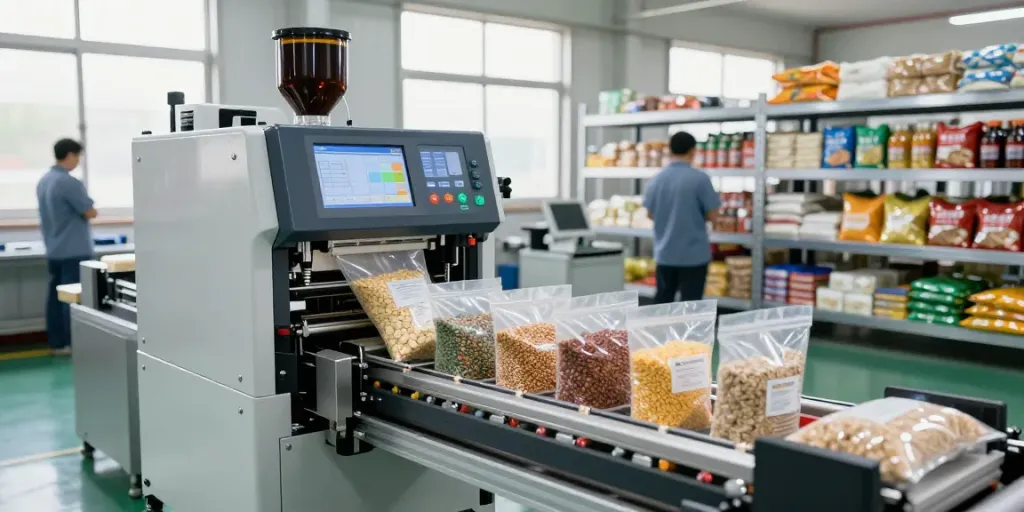
Automated bagging solutions refer to systems that utilize technology to package products without human intervention. These systems encompass a range of functions, including bag forming, filling, and sealing, which can all be managed through a single automated platform. The integration of these machines into production lines enables companies to significantly reduce labor costs, minimize human error, and enhance overall efficiency.
Key Components of an Auto Bagging Machine
Auto bagging machines are composed of several critical components that work in harmony to deliver high-quality packaging. Key components include:
- Bag Forming Unit: This component shapes the flat film into a bag format suitable for the product being packaged.
- Filling System: Automated filling systems ensure accurate and consistent volume for each bag, tailored to the product specifications.
- Sealing Mechanism: High-speed sealing mechanisms secure the bags, preventing any leakage or contamination.
- Control Interface: User-friendly interfaces allow operators to customize settings, monitor production rates, and conduct diagnostics for maintenance.
Industries Benefiting from Automated Bagging
Numerous industries can greatly benefit from implementing automated bagging solutions, including:
- Food and Beverage: Ensuring hygiene and speed in packaging dry goods, liquids, and frozen items.
- Pharmaceuticals: Meeting strict regulations for packaging medication and health products.
- Consumer Goods: Packaging a variety of non-food items, from household cleaners to personal care products.
- Agriculture: Bagging seeds, fertilizers, and other agricultural products efficiently.
Advantages of Implementing Automation in Bagging
Increased Efficiency and Productivity
One of the primary advantages of automated bagging solutions is the significant increase in efficiency and productivity. Automated machines can operate continuously, achieving much higher output rates than manual packaging processes. This 24/7 operation capability not only maximizes production but also helps businesses meet tight deadlines without compromising quality.
Reduction of Packaging Errors
Human error is an unavoidable factor in manual packaging processes. Automated systems help to minimize these errors by providing precise filling, accurate sealing, and consistent bag sizes. This level of accuracy is crucial in industries like food and pharmaceuticals, where packaging integrity is paramount for safety and compliance.
Cost Effectiveness and Return on Investment
Investing in automated bagging solutions translates to long-term savings for businesses. While the initial capital expenditure may seem high, the reduction in labor costs, decrease in waste, and increased throughput result in a substantial return on investment over time. Companies can reallocate human resources to more strategic tasks rather than repetitive manual packaging jobs.
Choosing the Right Automated Bagging Machine
Factors to Consider When Selecting Equipment
Choosing the right automated bagging machine involves careful consideration of several factors:
- Product Type: Identify the specific requirements of the products you intend to package.
- Bag Specifications: Understand the size, material, and type of bags to be used in the process.
- Production Rate: Determine the required output speed to match your operational needs.
- Budget Constraints: Align equipment choices with your financial capabilities while ensuring quality and reliability.
Customizability and Scalability of Solutions
In a rapidly evolving marketplace, businesses must choose equipment that can adapt to changing production needs. Scalable solutions allow companies to expand their capabilities without needing a complete overhaul of existing machinery. Customizability also ensures that the equipment can handle various products and bagging styles, providing greater versatility.
Comparative Analysis of Leading Brands
When selecting an automated bagging machine, it's crucial to compare leading brands based on technology, reliability, and service support. Companies like Autobag, Speedpack, and Durzerd each have unique strengths. Prospective buyers should evaluate their specific needs against what each brand offers to find the best fit for their operations.
Best Practices for Operation and Maintenance
Routine Checks and Maintenance Protocols
Implementing best practices for the operation and maintenance of automated bagging machines is essential for longevity and optimal performance. Regular maintenance checks should include:
- Inspecting sealing mechanisms for wear and tear.
- Calibrating filling systems for accuracy.
- Cleansing the machinery to prevent contamination.
Training Operators for Optimal Performance
Investing in comprehensive training for operators is vital for maximizing the effectiveness of automated systems. Training should encompass equipment handling, troubleshooting, and maintenance protocols to empower staff to manage operations efficiently and respond to any issues that arise.
Common Troubleshooting Techniques
Operators should be equipped with knowledge of common troubleshooting techniques to minimize downtime. Understanding error codes, recognizing abnormal noise patterns, and knowing when to shut down the machine for professional service are key components of efficient operation.
Future Trends in Automated Bagging Solutions
Innovations on the Horizon for 2026 and Beyond
The landscape of automated bagging solutions is poised for transformative changes driven by technological advancements. Innovations such as improved robotics, enhanced AI capabilities, and advanced sensors will further streamline operations and enhance precision in packaging. Companies that embrace these innovations will maintain a competitive edge.
Sustainability and Eco-friendly Packaging Solutions
As sustainability becomes a priority for consumers and businesses alike, automated bagging solutions are evolving to incorporate eco-friendly materials and processes. Manufacturers are exploring biodegradable and recyclable packaging options, reducing their carbon footprint while meeting consumer demands for responsible packaging.
Integrating AI and IoT in Packaging Operations
The integration of Artificial Intelligence (AI) and the Internet of Things (IoT) into automated bagging solutions will revolutionize operations. These technologies will enable real-time data analysis, predictive maintenance, and enhanced supply chain visibility, enabling businesses to adapt swiftly to changing market conditions and consumer preferences.
What are the benefits of automated bagging systems?
Automated bagging systems provide significant advantages such as enhanced speed, reduced labor costs, improved accuracy, and long-term financial benefits.
Who are leading manufacturers of automated bagging machines?
Leading manufacturers include Autobag, Durzerd, and several others that specialize in innovative and reliable bagging solutions.
How do automated bagging solutions reduce labor costs?
By minimizing the need for manual labor in the packaging process, automated bagging solutions decrease labor costs and allow businesses to reallocate human resources to other critical functions.
What types of products can be packaged using automated systems?
Automated systems can package a wide range of products, including dry goods, liquids, powders, and more, making them versatile for various industry applications.
How has technology evolved in automated packaging solutions?
Technology in automated packaging has evolved to incorporate advanced robotics, AI, and eco-friendly materials, enabling more efficient and sustainable packaging processes.