The Evolution of Crayon Supplier Offerings
Since the introduction of crayons in the late 19th century, the crayon market has witnessed significant transformations. As a crayon supplier, Crayon未用 Seeking has been at the forefront of these changes, adapting to the evolving demands of consumers and educational institutions alike. The crayon industry has grown from basic wax sticks to a diversified selection of products, including beeswax, fabric, and plastic crayons, each designed to meet specific needs and preferences.
Historical Context and Growth in the Crayon Market
The crayon's journey began with a simple wax composition, often made from paraffin and colored pigments. Over the decades, the demand for more versatile and environmentally friendly products has prompted manufacturers to innovate. The introduction of fabric crayons, which can withstand washing without fading, and beeswax crayons, known for their eco-friendliness, showcases the industry's response to consumer preferences for quality and sustainability. The growth trajectory of crayon suppliers like Crayon未用 Seeking can be attributed to their commitment to innovation and quality, allowing them to maintain relevance in a competitive market.
Types of Crayons: From Wax to Beeswax
The crayon market today offers a wide variety of options, catering to different artistic and educational applications. Wax crayons remain the most popular choice due to their affordability and accessibility. However, plastic crayons have gained traction, particularly for their ability to take on unique shapes that appeal to children. Beeswax crayons are emerging as favorites among environmentally conscious consumers, who appreciate their natural ingredients and reduced environmental impact. Fabric crayons bring new life to fabric art, allowing for washable and vibrant designs.
Impact of Eco-Friendly Products on Consumer Choices
With increasing awareness of environmental issues, eco-friendly products are shaping consumer preferences significantly. Crayon未用 Seeking has recognized this trend, offering beeswax crayons that provide non-toxic and biodegradable options. These eco-friendly choices not only attract environmentally minded customers but also help in promoting sustainable practices within the arts and education sectors. As schools and parents increasingly choose products that align with their values, suppliers must prioritize sustainability in their offerings.
Understanding the Needs of Educational Institutions
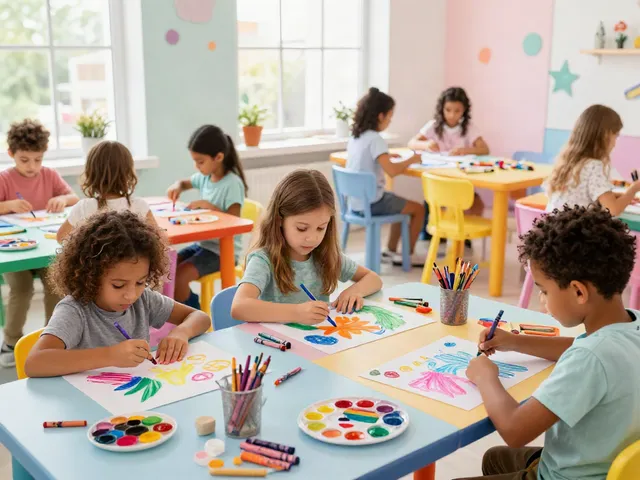
Educational settings have unique requirements when it comes to selecting art supplies. Understanding these needs can give suppliers an edge in a competitive marketplace. Crayon未用 Seeking specializes in providing quality crayons that cater to these requirements, offering low minimum order quantities (MOQs) and bulk purchasing options that support schools’ budget constraints.
How Schools Choose Crayon Suppliers
When selecting a crayon supplier, schools often consider factors such as product quality, safety standards, pricing, and reliability in delivery. Suppliers must demonstrate a commitment to providing non-toxic and safe products, especially for young children. Furthermore, schools look for suppliers that offer flexibility in ordering and support for educational initiatives.
Benefits of Bulk Purchasing for Classrooms
Bulk purchasing of crayons provides significant cost savings for educational institutions. Suppliers like Crayon未用 Seeking offer competitive pricing that allows schools to stock up on essential supplies without breaking their budgets. This practice not only ensures that classrooms are well-equipped for creative activities but also helps teachers foster an environment conducive to artistic expression.
Maximizing Creativity in Education with Quality Products
Quality crayons are vital to maximizing students’ creative potential. Durable and vibrant colors encourage children to engage in artistic endeavors, thereby enhancing their learning experiences. Educational institutions that collaborate with reputable crayon suppliers obtain products that support creativity and learning, bridging the gap between educational goals and artistic expression.
Trends Shaping the Future of Crayon Supply
As the world evolves, so too do the trends in crayon supply. Suppliers need to stay ahead of these trends to remain competitive and relevant in the market.
Customization in Crayon Production
Customization is becoming increasingly important in the crayon market. Suppliers are now offering personalized crayon sets for educational institutions and special events. This trend not only enhances the user experience but also creates a unique branding opportunity for businesses and schools, allowing them to showcase their creativity and identity.
The Role of Online Retail in Supply Chains
The rise of e-commerce is reshaping how crayon suppliers interact with their customers. Online platforms allow for greater accessibility and visibility of products, enabling schools and consumers to easily compare prices and features. Suppliers must adapt to this shift by offering a robust online shopping experience that includes detailed product information, customer reviews, and convenient ordering options.
Emerging Technologies Enhancing Crayon Production
Technology continues to revolutionize crayon production processes. Innovations such as 3D printing and advanced manufacturing techniques are enabling suppliers to create unique crayon shapes and formulations. These technological advancements not only improve efficiency but also provide opportunities for creativity in product design, appealing to modern consumers.
Common Challenges Faced by Crayon Suppliers
While the crayon market presents numerous opportunities, suppliers also face challenges that need addressing for sustained business growth.
Quality Control and Product Consistency
Maintaining product quality is paramount in the crayon industry. Discrepancies in texture, color, and durability can lead to customer dissatisfaction and loss of trust in a brand. Suppliers must implement rigorous quality control measures to ensure that every batch meets their high standards, thereby safeguarding their reputation and customer loyalty.
Managing Supply Chain Disruptions
Supply chain disruptions can significantly impact crayon production and delivery schedules. Factors such as raw material shortages, transportation issues, and geopolitical events can affect suppliers' ability to meet demand. Establishing robust supply chain management practices and diversifying supplier networks can mitigate these risks and enhance resilience.
Addressing Sustainability Concerns in Manufacturing
With growing attention on environmental sustainability, crayon manufacturers must address issues associated with traditional manufacturing practices. This includes minimizing waste, utilizing eco-friendly materials, and ensuring that production processes comply with environmental standards. By adopting sustainable practices, suppliers can appeal to a wider market and contribute positively to global efforts in combating climate change.
Predictions for the Crayon Market in 2026
The crayon market is poised for exciting changes by 2026, driven by innovation and shifts in consumer behavior.
New Product Innovations and Features
Innovation will continue to be key in the crayon industry, with expectations for new product features, including enhanced color ranges, longer-lasting formulations, and multifunctional designs that cater to both artistic and educational needs. As consumer preferences evolve, suppliers will need to stay responsive and agile in their product offerings.
Consumer Preferences and Shifts in Demand
As consumers become increasingly eco-conscious, the demand for sustainable products, such as beeswax and non-toxic crayons, will grow. Suppliers who prioritize environmentally friendly practices will likely gain a competitive advantage in the marketplace. Furthermore, trends indicating a shift towards personalized and customized products will continue to influence purchasing decisions.
Future of Crayon Use in Digital and Physical Art
As digital art gains popularity, traditional mediums like crayons may see a resurgence in interest as more artists explore the unique textures and aesthetics they offer. The crayon market must adapt to this blending of digital and physical art forms, potentially creating products designed specifically for artists who straddle both realms.
What types of crayons are most popular among artists?
Artists often gravitate towards high-quality wax and beeswax crayons for their rich pigmentation and smooth application. These crayons can serve as excellent tools for layering and blending, making them favorites for both professional and amateur artists alike.
How do I choose the best crayon supplier for my needs?
Choosing the right crayon supplier involves assessing their product range, quality assurance processes, sustainability practices, and customer service. Suppliers that provide a comprehensive selection and demonstrate a commitment to quality and the environment will be more likely to meet diverse needs.
What trends can we expect in the art supplies industry?
Expect to see an emphasis on sustainable products, increased customization options, and advancements in technology that enhance user experience and product quality. These trends will shape the future of the art supplies industry and the crayon market specifically.
How do eco-friendly crayons compare to traditional options?
Eco-friendly crayons often utilize natural materials that reduce environmental impact and toxicity. While traditional crayons might offer vibrant colors, eco-friendly alternatives are becoming increasingly competitive in quality and performance, making them attractive options for environmentally conscious consumers.
What innovations are crayon suppliers exploring today?
Suppliers are exploring innovations such as biodegradable materials, customizable designs, and advanced manufacturing techniques. These innovations aim to enhance product performance while addressing consumer demands for sustainability and uniqueness.