The Dance Revolution: Why Tutu Stores Matter in 2026
As we embrace the new era of dance in 2026, tutu stores are emerging as crucial hubs for both aspiring ballerinas and seasoned performers. These vibrant spaces offer more than merely costumes; they provide a cultural experience, embodying the rich history and artistry of dance. With the growing interest in dance as both a performance art and a recreational activity, the significance of tutu stores expands beyond retail, becoming a vital part of the dancer's journey.
For those looking to explore a diverse range of tutu options, the tutu store offers a comprehensive selection that caters to every individual's needs.
The Cultural Significance of Ballerinas and Tutus
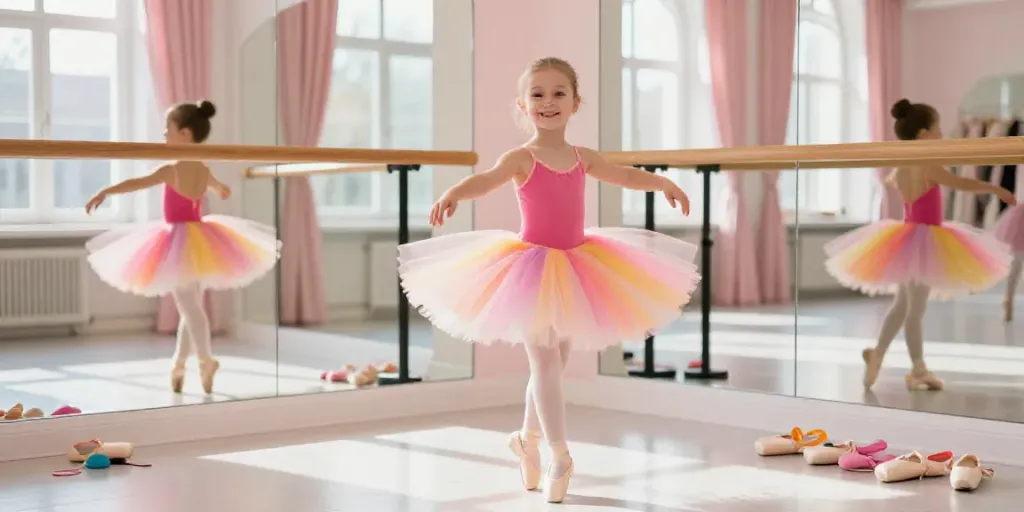
Ballet has long been celebrated for its grace, discipline, and artistic expression. At the heart of ballet lies the iconic tutu, a garment that has evolved through the centuries. Originating in the early 19th century, the tutu symbolizes not just the elegance of ballerinas but also the artistic spirit of the dance community. This traditional garment continues to inspire new generations, serving as a rite of passage for young dancers stepping into the world of ballet.
Moreover, tutus have transcended their practical use in dance performances; they have become cultural icons. From the grandiose tutus worn in classical ballet to the more whimsical styles found in contemporary dance, each variation tells a story and contributes to the rich tapestry of dance history.
The Evolution of the Tutu Store Experience
The shopping experience at tutu stores has undergone a significant transformation over the years. Traditional brick-and-mortar shops, once focused solely on selling costumes and dancewear, are now evolving into immersive environments. They provide fitting consultations, style advice, and personalized services, creating a community around dance. Customers are seeking not just a product but an experience that fosters a deeper connection with their craft.
In response to this demand, many tutu stores are incorporating technology into their offerings. Virtual fitting rooms, online customizations, and interactive design tools are becoming increasingly common, allowing customers to visualize their choices before making a purchase. These innovations are redefining how dancers shop and connect with their passion.
How Tutu Stores Are Adapting to Modern Trends
As we move further into the 21st century, tutu stores are embracing modern trends to stay relevant. This includes catering to diverse body types, offering inclusive sizing, and championing sustainability in their product lines. With a growing awareness of the environmental impact of fashion, many tutu stores are now sourcing eco-friendly materials and promoting sustainable practices.
The incorporation of contemporary fashion trends into tutu design is also noteworthy. Many brands are collaborating with designers to create tutus that reflect current styles while maintaining the essence of ballet. This fusion of classical and modern aesthetics ensures that the tutu remains a staple not just on stage, but also in everyday wardrobes.
Choosing Your Perfect Tutu: A Guide for Every Dancer
Understanding Different Tutu Styles and Their Uses
Choosing the right tutu is essential for every dancer, as it can significantly impact performance and comfort. There are several styles of tutus, each designed for specific purposes:
- Classical Tutu: Characterized by a stiff, structured look, classical tutus are typically worn in traditional ballet performances. They provide the necessary support for showcasing intricate footwork and leg movements.
- Romantic Tutu: This style features a longer, softer design, often made from layers of tulle. It embodies a more ethereal aesthetic and is commonly seen in performances that require fluidity and grace.
- Contemporary Tutu: Embracing freedom of style, contemporary tutus may vary in length and shape and often incorporate mixed materials. They allow for more expressive movements and are popular in modern dance.
Fitting Tips for Young Dancers vs. Adults
Finding the perfect fit is crucial, and there are key differences to consider between young dancers and adults:
- Young Dancers: When fitting young dancers, focus on comfort and room for growth. It’s advisable to select tutus that allow for adjustment, as children grow quickly. Look for styles that have elastic waistbands or adjustable straps.
- Adults: Adult fittings should take into account body shape and preferences. Many adult tutus come with options for customization, including size adjustments and fabric choices. Always encourage trying on multiple sizes to find the best fit.
Material Choices: What Makes a Quality Tutu?
The materials used to create a tutu greatly influence its quality and performance. The ideal tutu should be crafted from lightweight and breathable fabrics to ensure ease of movement. Common materials include:
- Tulle: A staple fabric for tutus, tulle is light and airy, allowing for flared shapes and layers.
- Organza: This material offers a more structured appearance and is often used in professional tutus.
- Stretch Fabric: Incorporating stretch fabrics ensures that the tutu moves with the dancer, enhancing comfort during performances.
Shopping Smart: Best Practices for Tutu Store Purchases
Timing Your Purchase: Seasonal Sales and Promotions
Timing your purchase can lead to significant savings. Tutu stores often announce sales during certain times of the year, especially during back-to-school seasons, holiday periods, and before major competitions. Keeping an eye out for these events can help you get high-quality tutus at reduced prices.
Additionally, many stores offer loyalty programs that provide discounts or rewards for frequent shoppers. Signing up for newsletters can also keep you informed about upcoming sales and exclusive offers.
Online vs. In-Store: Which Is Best for Your Tutu?
The choice between shopping online or in-store largely depends on personal preferences and needs:
- In-Store Shopping: Provides the advantage of trying on tutus for fit and comfort. Store staff can offer personalized advice and insights that enhance the buying experience.
- Online Shopping: Offers convenience, a broader selection, and often better pricing. However, it’s essential to review sizing charts and return policies carefully to ensure satisfactory purchases.
Add-Ons: Essential Accessories to Complement Your Tutu
No tutu is complete without essential accessories that enhance both appearance and functionality. Consider these add-ons:
- Ballet Slippers: The right footwear is essential for any performance. Choose slippers that complement your tutu style.
- Headpieces: Decorative elements such as tiaras or hairpieces can add an elegant touch to your look.
- Dance Tights: The choice of tights can affect both comfort and aesthetic, so select high-quality options that match your tutu.
Supporting Local: The Benefits of Shopping at Your Local Tutu Store
Building Community Through Dance
Shopping at local tutu stores fosters a sense of community among dancers. These stores often host events such as workshops, classes, and performances that bring dancers together, enhancing the local dance culture. Supporting local businesses not only helps keep the community vibrant but also encourages local talent in various forms of dance.
Why Supporting Local Businesses Matters
When you support local tutu stores, you're investing in your community. Local businesses tend to reinvest in the local economy, create jobs, and support local charities. They often offer unique products and services that reflect the community's culture, providing a personalized shopping experience that larger chains cannot match.
Spotlight on Successful Local Tutu Shops
Many local tutu shops have successfully established themselves as community hubs. For example, “Tutu Dance Boutique” in Pittsburgh not only provides quality dancewear but is also known for its engaging workshops that educate dancers about tutu care and performance techniques. Similarly, “Tutu’s A Dancer's Boutique” offers specialized fittings and advice from experienced professionals passionate about fostering young talent.
Future Trends in Tutu Fashion: What's Coming in 2026 and Beyond
Emerging Styles and Influences in Ballet Wear
The future of tutu fashion is exciting, with emerging styles reflecting diverse influences. Expect to see a blend of traditional ballet aesthetics infused with contemporary design elements. Collaborations between renowned designers and dance companies are paving the way for innovative collections that push the boundaries of conventional tutu design.
The Role of Sustainability in Tutu Manufacturing
Sustainability is becoming a critical consideration in the fashion industry, and tutu manufacturing is no exception. Many brands are shifting towards eco-friendly materials and sustainable practices. Conscious consumers are increasingly prioritizing brands that demonstrate commitment to environmental responsibility, leading to a rise in organic fabrics and ethical production methods.
Technological Advances in Tutu Design and Fabric
As technology continues to advance, so does tutu design. Innovative materials that offer greater flexibility and durability are being developed. Additionally, 3D printing technology is making it possible to create customized, one-of-a-kind tutus that fit each dancer perfectly. This technological evolution will revolutionize how performers select their garments.
What Are the Latest Color Trends for Tutus?
Color trends in tutus are evolving as well, with bold hues and unexpected palettes gaining popularity. While classic whites and pastels remain staples, there is an increasing demand for vibrant colors that make a statement. These trends reflect the individuality of dancers, allowing them to express their unique styles and personalities through their attire.